Badu(Xiamen) Technology Co., Ltd
What is UN3373?
UN3373 is the United Nations (UN) proper shipping name for Biological Substance, Category B.
It refers to infectious substances that are not classified under the stricter Category A (UN2814 or UN2900), which pose a higher risk of causing permanent disability or life-threatening disease.
In simpler terms:
Category A (UN2814/UN2900):Dangerous pathogens (e.g., Ebola virus, cultured Bacillus anthracis).
Category B (UN3373):Infectious substances that present a lower risk to individuals and the community. This includes diagnostic specimens, clinical samples (blood, urine, tissue), and biological products that may contain pathogens, but are not in a form likely to cause serious disease in healthy humans.
Common examples of UN3373 materials:** Patient blood samples for routine testing, swabs, stool samples, tissue biopsies for pathology, and medical waste containing such substances.
Packaging Requirements (Triple Packaging System)
Packaging for UN3373 must comply with Packing Instruction P650 as detailed in the UN Model Regulations and transport modal regulations (IATA for air, ADR for road, etc.). The system is designed to be leak-proof and withstand normal transport conditions.
The requirements mandate a triple-layer packaging system: 1. Primary Receptacle(s)
Must be leak-proof(e.g., sterile urine cup, vacutainer tube, primary specimen container).
Must be securely closed (screw cap, stopper).
If multiple fragile primary receptacles are used, they must be individually wrapped or separated to prevent contact.
2. Secondary Packaging
* Must be a durable, leak-proof, sealed container(e.g., sealed plastic bag, tube rack holder, or wrapping).
* It must enclose and protect all primary receptacles.
* Absorbent material(e.g., paper towel, cotton, absorbent pad) must be placed between the primary and secondary packaging, in sufficient quantity to absorb the entire contents of all primary receptacles in case of a leak or breakage.
3. Outer Packaging
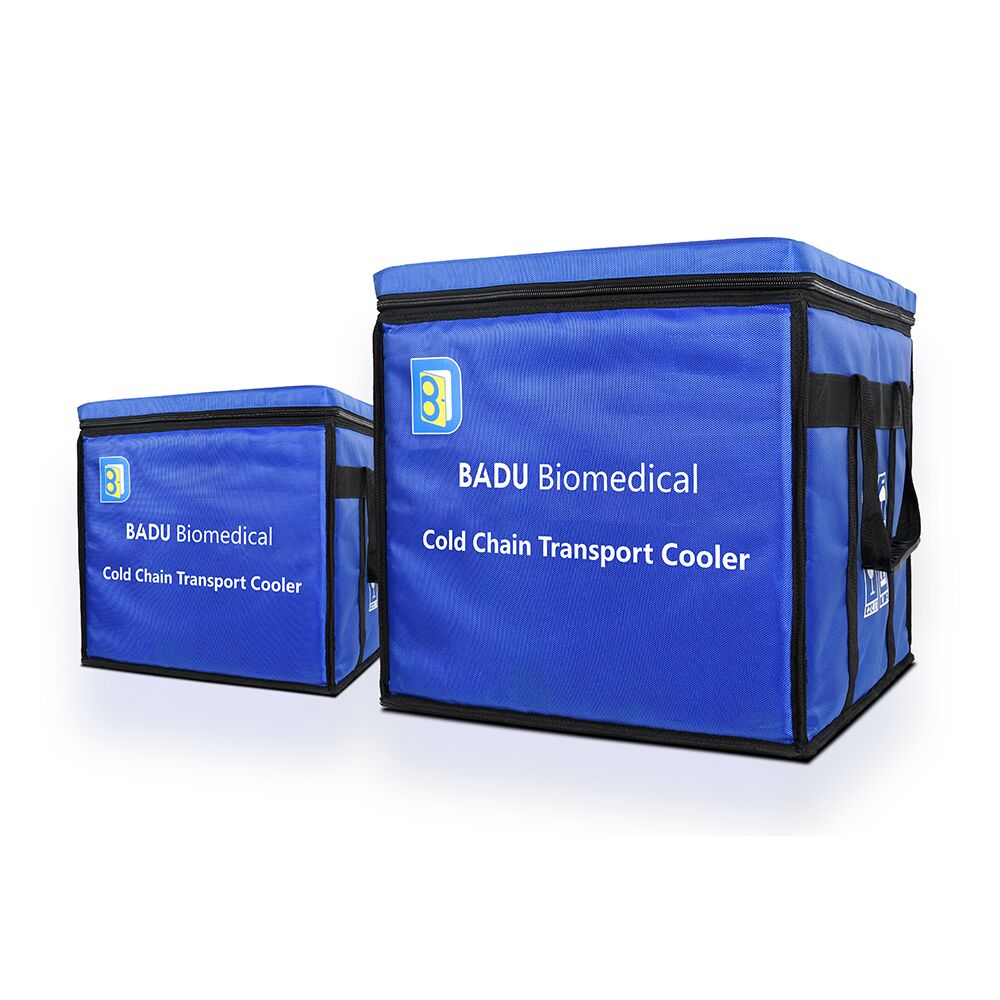
* Must be rigid, strong, and of adequate size (e.g., sturdy cardboard box, plastic pail, or insulated shipper).
* It protects the secondary packaging from physical damage, moisture, and other external influences during transport.
* Must have at least one surface with minimum dimensions of **100 mm x 100 mm** for the proper shipping label.
4. Marking and Labeling Requirements
The outer packaging must be clearly marked with:
* The Proper Shipping Name: "BIOLOGICAL SUBSTANCE, CATEGORY B"
* The UN Number within a diamond-shaped mark: **"UN 3373"**
* The diamond must be at least 50mm x 50mm on boxes; smaller marks are allowed on small packages.
* The Name and address of the Shipper(consignor) and Receiver(consignee).
* A Person Responsible line with a contact name and phone number (required by IATA for air shipments).
* There is NO requirement for a Class 6.2 Infectious Substance label for UN3373 (this is required only for Category A).
Visual Summary: The completed package is a rigid outer box containing a sealed secondary container (e.g., plastic bag) with absorbent material, which itself contains the securely closed primary specimen containers.
Important Additional Notes
* Training: Personnel preparing these shipments must receive specific function training as required by regulations (e.g., IATA DGR Section 1.5).
* Documentation: A Shipper's Declaration for Dangerous Goods is generally NOT required for UN3373 by air (IATA), but a clear description of contents on the air waybill is needed. Other modes may have different documentation rules.
* Exemptions:Dried Blood Spots or Fecal Occult Blood Screening Samples placed on filter paper or similar absorbent material may qualify for an exemption from these packaging requirements if they meet specific criteria (Packing Instruction 650).
* Always Consult the Latest Regulations:The definitive source is the current year's IATA Dangerous Goods Regulations (DGR) for air transport or the relevant modal regulations. Regulations are updated annually.
In summary, UN3373 is the classification for lower-risk infectious substances, and its safe transport depends on a rigorously applied triple packaging system with specific markings to ensure containment and inform handlers.**
Add : Room601, NO.6-9 TongHong Road, Tongan Area, Xiamen China


 IPv6 network supported