Badu(Xiamen) Technology Co., Ltd
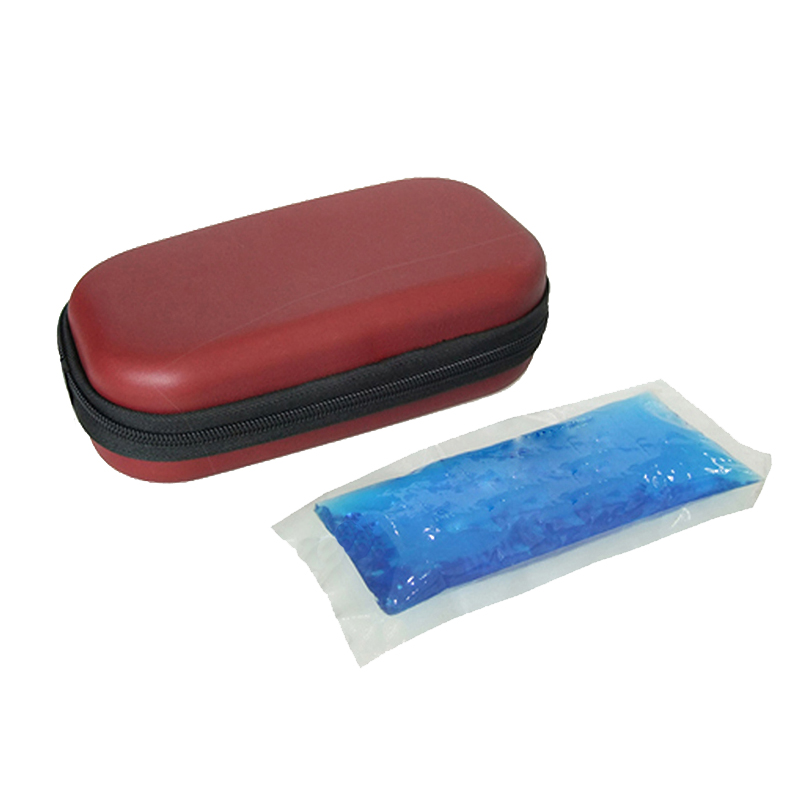
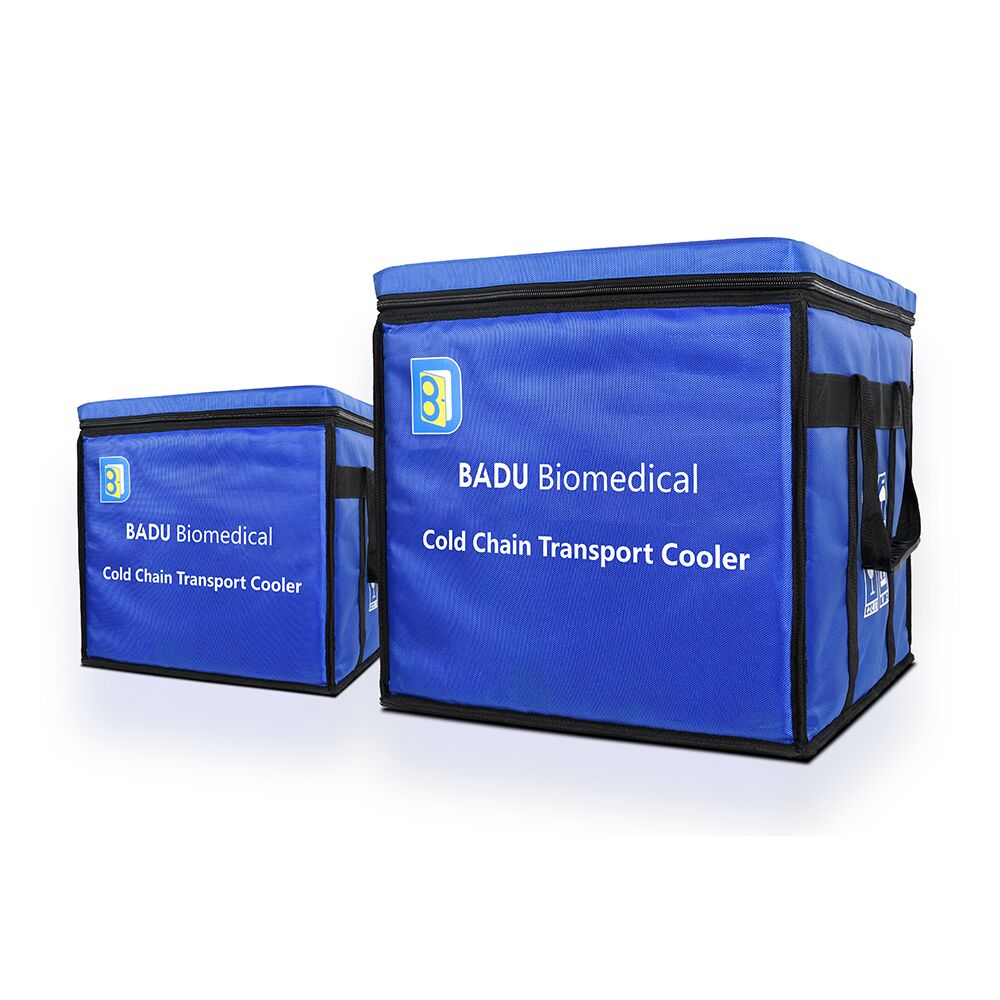
An insulated cooler does not have active cooling capabilities. Instead, it operates on the principle of thermal energy transfer through pre-chilled sources. In simple terms, the cooler itself does not generate cold but relies on pre-frozen ice packs or gel packs as portable cold reservoirs. These packs release stored cooling energy within the insulated environment, enabling extended temperature control without electricity.
The process is straightforward: first, ice packs are fully frozen in a household freezer (typically requiring 5–12 hours). Once thoroughly charged with cold, they are placed inside the insulated cooler alongside items that require refrigeration. Thanks to the cooler’s high-density insulation and multi-layer thermal barriers, external heat transfer is minimized and internal cold retention is optimized. The ice packs then consistently absorb ambient heat inside the cooler, maintaining a low temperature through continuous phase change.
In practical use, this combination delivers reliable performance:
Rapid cooling: Beverages at around 25°C can be chilled to near 0°C within approximately 2 hours when sufficient ice packs are used.
Long-lasting thermal retention: Pre-chilled drinks or food stored below 10°C can be kept at a safe temperature for over 24 hours with adequate ice packs, making it ideal for all-day outdoor activities, commuting, or short trips.
This "freeze in advance, use on demand" approach offers an efficient and economical solution for refrigeration without electricity. Whether for picnics, road trips, vaccine transport, meal delivery, or keeping lunches fresh, the combination of an insulated cooler and ice packs provides a portable, reusable, and environmentally friendly temperature management system—making it an essential tool for modern on-the-go cooling needs.
Add : Room601, NO.6-9 TongHong Road, Tongan Area, Xiamen China


 IPv6 network supported